It can be said that the types of fishing are as varied as the types of fish. In this article, we will talk about a wide variety of fishing styles you can try and the benefits of each one.
It can be said that the types of fishing are as varied as the types of fish. In this article, we will talk about a wide variety of fishing styles you can try and the benefits of each one.
Baitcasting
The baitcasting technique is a precision method. It consists of casting bait so that the line extends to the target area due to the weight of the lure. To cast the bait, a fishing reel with a rotating spool mounted on the top of the rod is used.
Casting bait is a skill that is learned through practice. Once you have learned the method, you will cast your lures accurately toward the structures where fish feed and gather.
Depending on the distance, you can use larger lures (from 1/2 to 3/4) and cast them to farther spots. To start, it is recommended to use a rod with good spring action, a high-quality anti-reverse reel, and a variety of lures specifically for baitcasting. You can practice this technique during our lake fishing tour.
Trolling or troll fishing
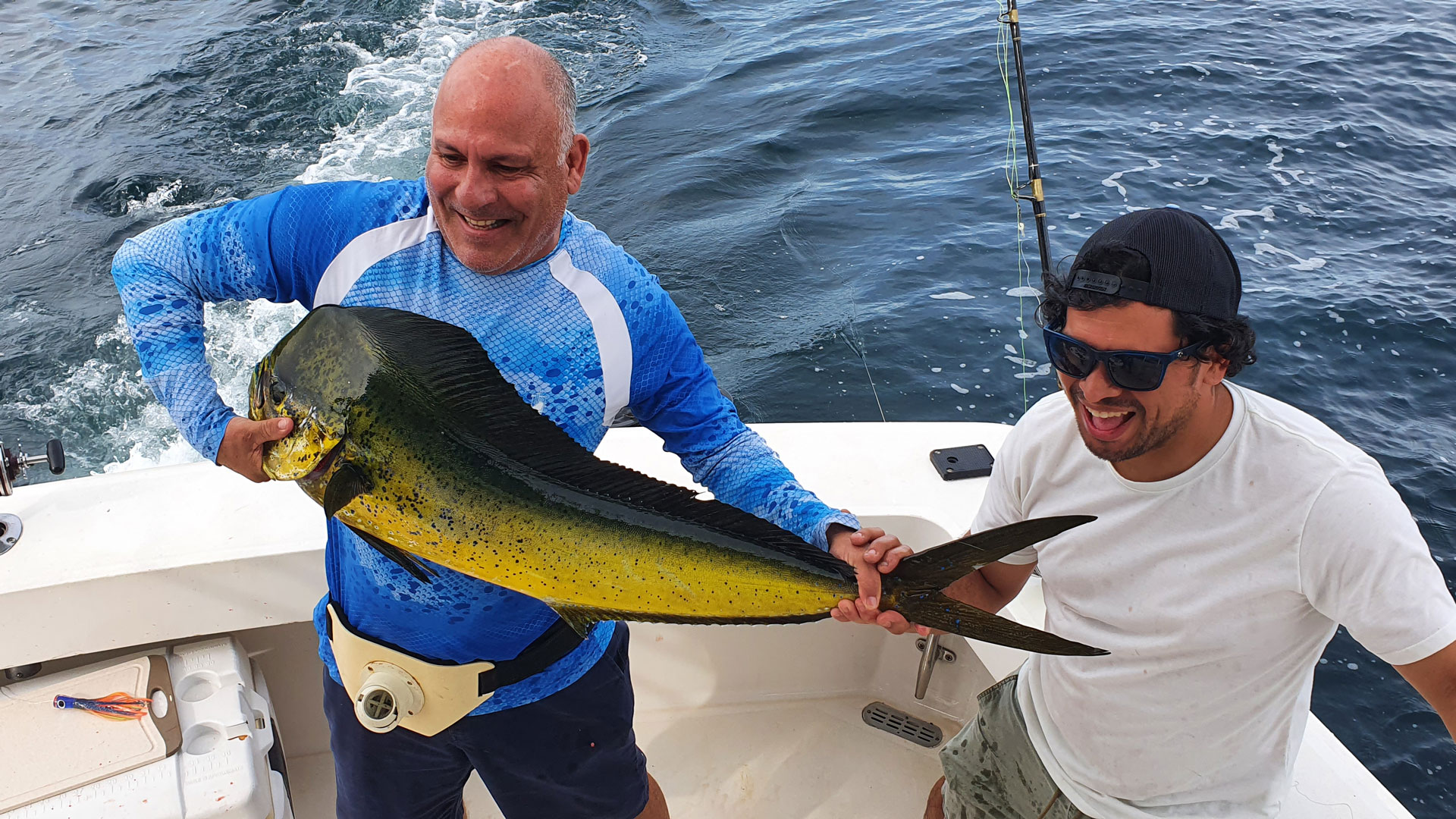
To use this technique, a small electric motor is needed. It prevents fish from being startled by moving the boat silently through the water. Here you can adjust the depth of the bait, depending on the species of fish you want to catch. Live bait or an artificial lure is dragged through the water with a slow movement.
The main offshore fishing technique in the oceans is trolling, which is also commonly practiced in inland bodies of water such as lakes. This technique has the advantage of covering a considerable area where it would otherwise be difficult to find fish.
Drift fishing
By practicing drift fishing, you can fish in a wide variety of environments while the boat moves with the wind or currents. With a bobber or float, you can adjust the depth while drifting along the bottom.
The best baits recommended for this type of fishing are natural ones. However, artificial flies, lures, and jigs also do the job. This practice is perfect for any time of day or year. You can drift fish in lakes, rivers, and streams.
Chumming
This fishing practice is carried out mostly in blue waters. It consists of throwing in bait known as “chum” to attract various marine animals and catch them more easily.
It is recommended to avoid excessive chumming. It is not advisable to fill them up before they have the chance to look for the hook. The goal is to spark their interest in feeding.
Jigging or vertical fishing
Considered a popular and difficult technique because the person fishing creates the movement that interests or scares off the fish.
It should happen this way:
- It is necessary to let the hook sink to the bottom while you cast.
- Then the bait should be lifted about 30 cm off the bottom with the tip of the rod.
- Let it fall back to the bottom.
Jigging can be done side to side, up and down, or vice versa. It can be done with or without live bait.
You may also be interested in reading:
REASONS TO TRY OPEN-SEA FISHING
Ready to fish in Panama?
Book your private yacht with Panama Gem Charters and live your own story at sea.